
Local SEO Basics
How Do I Check Where My Business Ranks on Google?
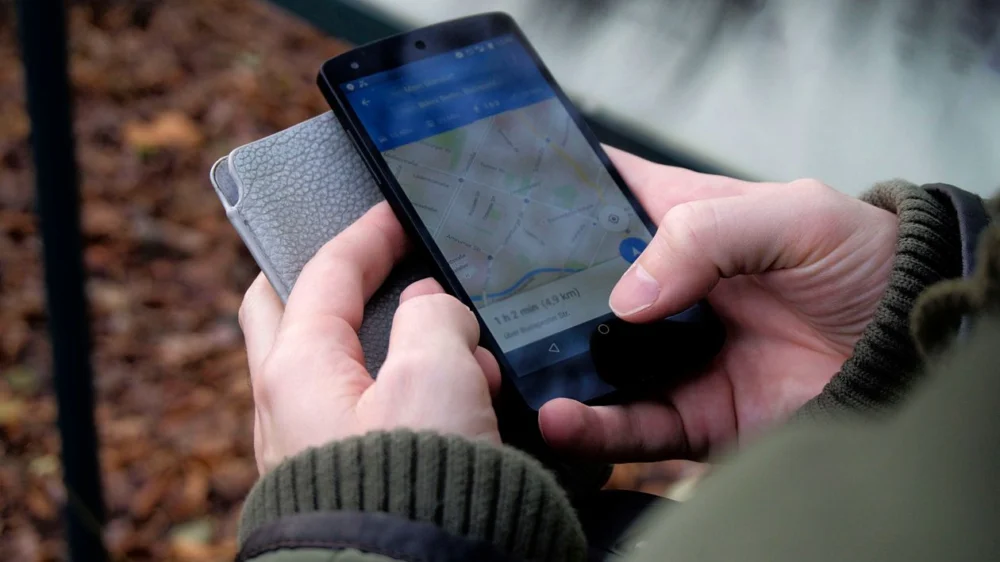
Start with a private search
Open an incognito window on your phone and search the thing you want to be found for, such as “electrician Arvada.” Write down whether you show up in the map results and where. Then do the same with “near me” added. That takes two minutes and tells you more than most dashboards.
Do not trust the search you run at your own desk. Google knows where you are and where your office is, so you will usually see yourself higher than your customers do.
Why your ranking looks different from everyone else’s
Google says local results come down to relevance, distance, and prominence, and it explains the three on its page about improving your local ranking. Distance is the one that surprises people. In Whitespark’s 2026 local ranking factors survey, the searcher’s distance to the business ranked second among map pack factors, behind only your primary category.
So you can be first for a customer one mile from your shop and invisible to someone nine miles away. Neither result is wrong. They are the same ranking viewed from two places.
- Search from the center of your main service area.
- Search from the edge of it, in each direction you want work.
- Ask a friend or a customer in a farther neighborhood to run the same search and send a screenshot.
What Search Console and your profile can tell you
In Google Search Console, open the Performance report and filter queries by your city name. You will see impressions and clicks for your website. The average position column blends every searcher and every location together, so read it as a direction over time, not as your rank.
Your Business Profile performance report shows the search terms that led people to your listing, plus calls, direction requests, and website clicks. For a local business this is often the better scoreboard, because calls are what pay the bills.
Map-grid rank trackers
Some paid tools, Local Falcon among them, place a grid of points across your service area and record your rank at each point. The result is a map that shows where you are strong and where you disappear. That is useful if you serve a wide area, because you can see which neighborhoods need work.
If you cover one town, a handful of manual checks is usually enough. If you want this tracked monthly and explained, that is part of my rank tracking and reporting service.
What to do with the numbers
Pick the five searches that would bring you the best customers and check them on the same day each month, from the same spots. Keep a simple spreadsheet. A single bad week means nothing. Three months going the wrong way means something changed, and it is worth finding out what.
If you rank well in one spot and poorly in others, the cause is often distance, a weak primary category, or fewer reviews than the competitors near that area. The next page walks through that: why is my competitor ranking higher than me?
Want a second pair of eyes on this?
Local SEO for Denver service businesses. We help HVAC, tree service, and home-service companies rank in the Map Pack and turn searches into booked jobs.
Services
Company
© 2026 ReAlign Marketing. All rights reserved.