
Local Citations
Local Citations for Roofing Companies
The Short Answer
Roofing companies get suspended, flagged, or delisted from Google Business Profile and other directories at a far higher rate than most trades. The reason is structural: legitimate mobile crews, storm-driven service areas, and address changes look almost identical to the storm-chaser scams these platforms are built to catch. Getting local citations right for a roofing company starts with a real, permanent, verifiable address and one consistent business name everywhere, not with how many directories you’re listed on.
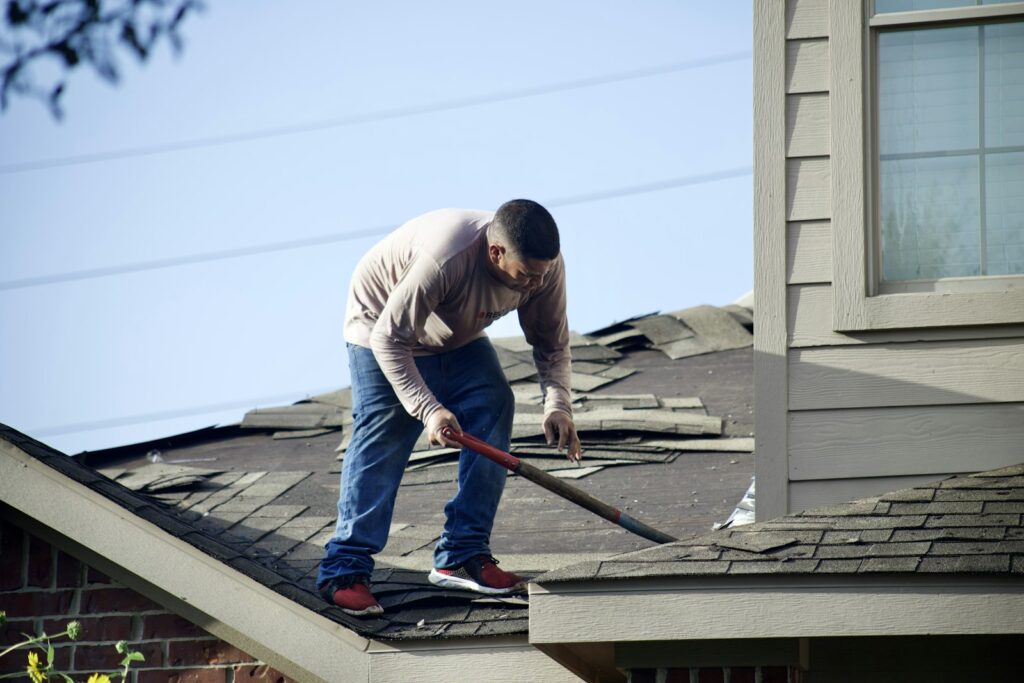
Why Roofers Trigger Citation Red Flags More Than Other Trades
Every local business needs consistent local citations to rank, but roofing sits in an unusual spot. The operational patterns that make a roofing company good at its job, mobile crews that go where the work is, service areas that stretch across a metro or several counties, and a surge of new customers the moment a hailstorm rolls through, are close to the exact patterns Google’s trust and safety systems are built to flag as fake. Firms that specialize in recovering suspended roofing listings describe the pattern bluntly: storm-chaser fraud in a region causes automated systems to apply blanket scrutiny to every roofing listing nearby, legitimate or not. A roofer who has served the same town for fifteen years can get caught in the same sweep as a crew that arrived three days after the storm and will be gone in three weeks.
The Storm-Chaser Problem (and How Not to Look Like One)
“Storm chasers” are crews that follow major weather events from state to state, set up a temporary presence in the hardest-hit area, sign as many roofs as possible, and move on before the work, or the complaints, catch up with them. Homeowner advocates and local roofers point to a consistent set of warning signs: a business address that turns out to be a PO box, out-of-state license plates and driver’s licenses, no local references, and a phone number that stops being answered once the crew leaves town.
Directories and search engines watch for the same signals. If your citation footprint, a brand-new listing, a PO box or short-term address, a business name that changes every few months, no citation history before this storm season, matches that pattern, it doesn’t matter how long you’ve actually been in business. The fix isn’t a trick; it’s making sure your citations tell the true story: an address with years of history attached to it, a phone number your company has answered since before this storm season, and directory listings that were built and verified long before the current weather event, not scrambled together the week after.
Why Your Address Has to Be Real, Permanent, and Verifiable
A PO box, a mailbox-store address, or a coworking membership will get a roofing listing rejected or suspended faster than almost anything else on this list, because those are exactly the addresses storm chasers use. Google’s guidelines require a real location that can be verified, and directories increasingly cross-check that address against property records, satellite imagery, and other listings. If your roofing company genuinely operates out of a home office or a shop with no walk-in customers, use Google’s service-area business setting rather than trying to hide or fudge the address, hiding it looks worse than disclosing it.
Because every directory listing repeats that same address, getting it wrong or inconsistent doesn’t just cost you one listing, it undermines the whole picture search engines use to decide you’re a real, verifiable business. That’s the deeper idea behind NAP consistency, and it matters more for roofers than almost any other trade.
One Business, One Name, Every Time
Roofing companies change names more than most trades: a sole proprietor becomes an LLC, a company adds “& Construction” or “& Exteriors” after taking on siding and gutter work, a second crew operates under a slightly different DBA. Each variation might make sense internally, but to a directory or a search engine, “Smith Roofing,” “Smith Roofing & Construction LLC,” and “Smith Roofing and Exteriors” can look like three different businesses squatting on the same address and phone number, which is one of the more common triggers for a duplicate-listing flag.
Before you build a single new citation, decide on the exact legal name you’ll use everywhere, matching your Google Business Profile and your state license, then go back through existing listings and fix the ones that drifted. If you’re not sure what counts as a citation in the first place, or want the fuller picture beyond roofing specifically, our guide to what local citations are covers the basics this page builds on.
Priority Directories for Roofing Companies
General directories matter, but roofing has its own layer of industry-specific listings that carry real weight with both homeowners and search engines:
- Google Business Profile — the foundation of local visibility; verify it with your real, permanent address, never a job-site address
- GAF Certified Contractor directory — GAF, the largest shingle manufacturer, lists roofers who meet its certification requirements, a strong trust signal for homeowners and search engines alike
- Angi and HomeAdvisor — high-traffic lead directories where roofing is one of the most-searched categories
- Best Pick Reports — a regional, vetted directory built specifically to screen out fly-by-night contractors
- National Roofing Contractors Association (NRCA) member directory — an industry association listing that signals long-term legitimacy
- Better Business Bureau — accreditation and complaint history homeowners check before hiring
- Houzz and Nextdoor — where homeowners research and recommend contractors before and after a storm
A Practical Citation Checklist for Roofing Companies
Use this before you build a single new listing or clean up the ones you already have:
- Pick one legal business name and use it exactly the same way everywhere, no abbreviating on some listings and spelling out the full name on others
- Use a permanent, staffed, verifiable address, never a PO box, mailbox store, or short-term rental
- Keep one primary phone number tied to your business, not a rotating call-tracking number that changes yearly
- Build new citations steadily over time rather than in one rapid burst right after a storm, which can itself look like a red flag
- Keep documentation, business license, insurance certificate, W-9, ready before you claim or verify any profile
- Audit existing citations quarterly, and immediately after any address, name, or ownership change
- Watch for and merge duplicate listings created after office moves or rebrands
- Prioritize roofing-specific directories like GAF, NRCA, and Best Pick Reports alongside general ones, not instead of them
Questions
Frequently Asked Questions
Why did my Google Business Profile get suspended right after a big storm hit my area?
When storm-chaser fraud spikes in a region, Google and other directories often apply broad, automated scrutiny to every roofing listing nearby, not just the fraudulent ones. Legitimate local roofers can get caught in the same sweep, especially if their citations look new or inconsistent.
Can I use a PO box or virtual office as my roofing company's listed address?
No. PO boxes, mailbox stores, and coworking addresses are among the most common reasons roofing listings get rejected or suspended, since they’re also the addresses storm chasers rely on. Use a real, verifiable location, or set your profile up as a service-area business if you don’t have a public office.
Should I create separate listings for each city or county I serve?
Generally no. One legitimate business should have one Google Business Profile with its service areas defined in the profile settings, not a separate listing per city. Multiple listings under variations of your name are a classic duplicate-listing flag.
How is this different from the site's general guide to local citations?
Our general local citations guide covers what citations are and why they matter for any local business. This page focuses on the specific reasons roofing companies get flagged, suspended, or blacklisted more often than other trades, and what to do about it.
What if my roofing company already has years of inconsistent citations across different directories?
That’s common, especially after a rebrand, an address change, or years of DIY listings. An audit that identifies every existing citation, fixes the mismatches, and merges duplicates is usually faster than starting over, and it’s exactly what a citation cleanup service does.
Want Your Roofing Citations Audited and Cleaned Up?
We find every existing listing, fix the inconsistencies that trigger red flags, and build new citations on the directories that actually move rankings for roofing companies. Citations are one trust signal — our Google reviews for roofers guide covers the other, including how to use reviews as an anti-storm-chaser signal.
Local SEO for Denver service businesses. We help HVAC, tree service, and home-service companies rank in the Map Pack and turn searches into booked jobs.
★★★★★
Trusted by Denver service businesses
Services
Company
© 2026 ReAlign Marketing. All rights reserved.