
Roofing Reviews
Google Reviews for Roofers: A Complete Guide
The Short Answer
The best time to ask a roofing customer for a Google review is not always right after the crew finishes. Most roof replacements run through an insurance claim with two separate payments, and the second one — the depreciation check — lands weeks or months after the work is done, creating a second, often better moment to ask. Reviews also do work here no other trade needs them for: they are the clearest way a homeowner tells a real local roofer apart from an out-of-town storm chaser with no history in the area.
On This Page
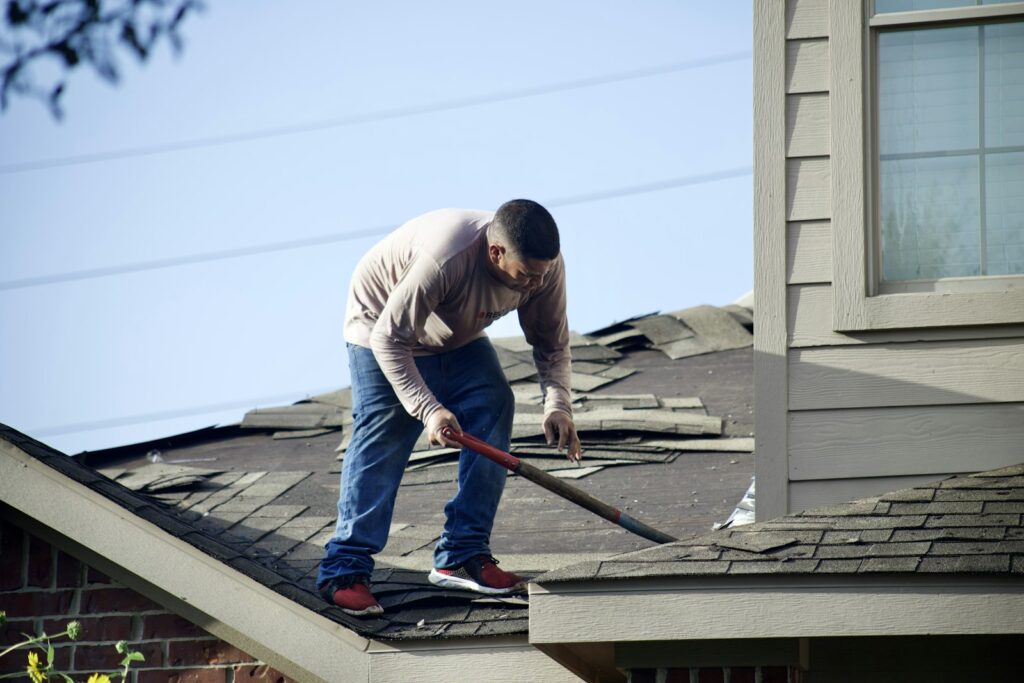
Why Reviews Work Differently for Roofers
Google reviews for roofers do the same basic job reviews do for any local business — social proof that turns a comparison-shopping homeowner into a booked job. But a roof replacement is not a simple purchase the way a lawn install or a repaired outlet is, and that changes both when to ask and what a review needs to accomplish.
Most roof replacements in a hail-prone market like Denver run through an insurance claim, not a straightforward hire, and the roofing industry carries a reputation problem almost no other trade in this guide series deals with: door-knocking storm chasers who show up after a hailstorm, sign contracts fast, and are gone before anyone can leave a review, good or bad.
- Most roof replacements run through an insurance claim, not a simple cash purchase, which changes both the buying decision and the natural review moment
- The roofing industry's storm-chaser reputation problem makes review history one of the clearest signals separating a real local company from an out-of-town crew
- A roof replacement often carries a decades-long manufacturer or workmanship warranty, creating a second review opportunity years after the original job
- Most roof work is not visible from the ground, which changes how a photo-paired review request even works compared to a lawn or a tree removal
That is the real difference between Google reviews for roofers and review advice built for other trades. HVAC companies deal with seasonal demand swings, landscapers pair the ask with a ground-level reveal, tree services manage safety concerns in negative reviews — roofing has an insurance claim running in the background of almost every job, and that timeline deserves its own section rather than a footnote.
None of that means the fundamentals change. Google reviews for roofers still start with asking directly, making the process effortless, and following up promptly. What changes is the number of moments worth building into a repeatable process, and this guide walks through each one in the order they actually happen on a real claim.
The Two-Check Insurance Timeline Changes When You Ask
Most roof replacement claims run on Replacement Cost Value (RCV) coverage, which pays out in two separate checks instead of one lump sum. Understanding that timeline matters for review requests because it hands you a second, natural touchpoint with the homeowner that no other trade in this guide series has.
How the Two Checks Work
The insurer’s first check covers the Actual Cash Value (ACV) — the replacement cost minus depreciation and the deductible. The second check, covering the withheld depreciation, is released only after the homeowner completes the repairs and submits documentation proving what was actually spent. Most policies set a strict window, commonly around 180 days from the loss date, to submit that documentation before the recoverable depreciation is forfeited entirely.
The First Ask: Right After the Final Walkthrough
This is the moment every other trade in this guide series uses too — once the replacement is complete, inspected, and the homeowner has walked the property. Ask here the same way you would for any finished job: directly, by text, with a link that takes one tap.
The Second Ask: When the Depreciation Check Clears
This is the moment unique to roofing. Weeks or months after the first ask, when the depreciation check finally clears, you have a legitimate reason to check back in — confirming the paperwork went through, closing the loop on the claim, and reminding a customer who may have simply forgotten the first request. For a customer who did not leave a review the first time, this second, unforced touchpoint often lands better than a generic follow-up ever would.
Building this second ask into your process, tied to the documentation deadline you are already tracking for the depreciation claim, turns a compliance step you are doing anyway into a second real chance at a review.
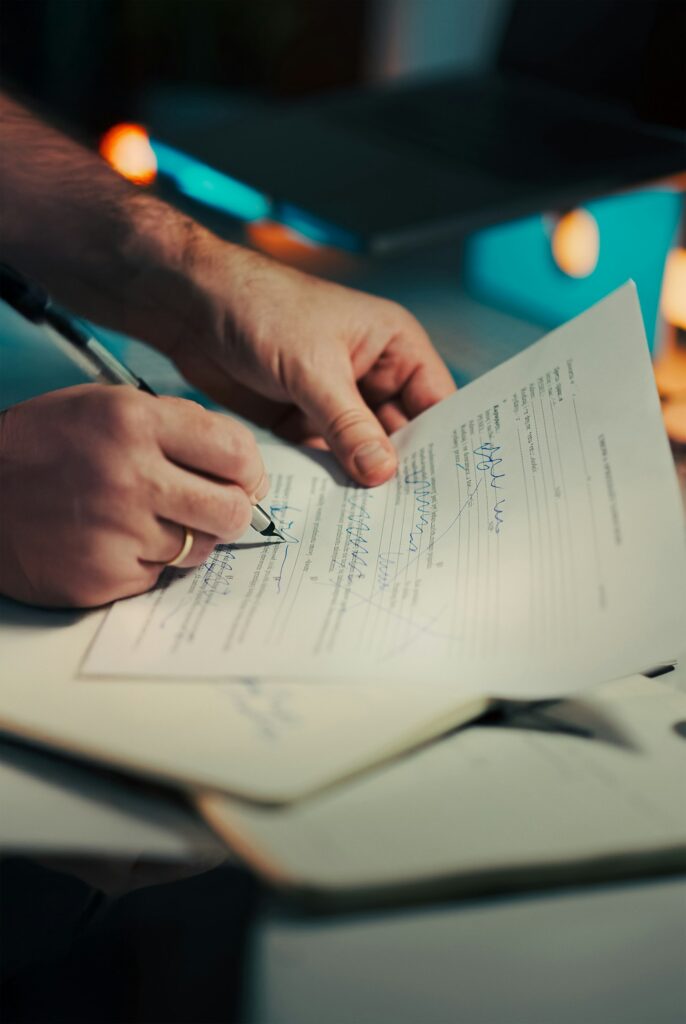
Reviews as the Anti-Storm-Chaser Signal
Storm chasers — roofing crews that follow hailstorms from town to town, sign contracts fast, and disappear before problems surface — are a well-documented risk homeowners are actively warned about. The common red flags: pressure to sign immediately without a proper inspection, demands for full payment upfront or cash only, no verifiable local address, and thin or nonexistent review history.
That last point is the one that matters most for this guide. Homeowner guides on avoiding storm-chaser scams consistently point people toward checking a contractor’s reviews and local track record before signing anything, which means your review profile is not just marketing for Google reviews for roofers — it is literally the screening test homeowners are told to run before trusting anyone with a roof claim.
The trap is that a storm chaser can fake a thin version of this signal too, picking up a handful of reviews in the days right after a storm. A real local roofer’s advantage is depth and recency over time, not a burst: BrightLocal’s 2026 Local Consumer Review Survey found that 74% of consumers want to see reviews written within the last three months, and 97% read reviews for local businesses at all. A steady drip of recent reviews, built over years rather than one storm cycle, is the pattern a storm chaser cannot easily copy.
Building that steady pattern is exactly what makes Google reviews for roofers different from a one-time marketing push. A homeowner comparing a local company against an unfamiliar crew that just knocked on their door is not looking for a handful of five-star reviews from last week — they are looking for years of consistent, dated history that a storm chaser simply has not been in town long enough to build.
Pairing the Ask With an Aerial or Drone Photo
Landscaping and tree service companies pair review requests with a ground-level before/after photo, because the payoff is right there at eye level. A finished roof does not work that way — most homeowners never see their own roof up close, and a ground-level shot of shingles from the driveway does not carry the same visual payoff.
A drone or ladder-shot aerial photo of the finished roof solves this. Sending a homeowner a clean aerial photo of their new roof — something they could not otherwise easily see themselves — alongside the review request gives them something genuinely useful to attach to the ask, not just a reminder.
This does not need to be an elaborate production. A quick drone pass at the end of the job, saved specifically for pairing with review requests and before/after marketing, is a small addition to a routine roof job that most competitors are not bothering with.

Two-Check Timeline
A second, legitimate touchpoint when the depreciation check clears.
Anti-Storm-Chaser Signal
Deep, recent review history most out-of-town crews cannot fake.
Aerial Photo Pairing
A drone shot gives homeowners a view of their own roof they would not otherwise see.
What to Say and How to Make It Effortless
Send a direct link to your Google review page by text, not a generic request to check you out online. The fewer steps between the ask and the review, the higher the completion rate, and that holds just as true for Google reviews for roofers as it does for any other trade.
For the second, depreciation-check ask, keep the tone practical rather than salesy: you are following up on the claim, not pitching. Something like confirming the paperwork cleared and asking, while you have them, whether they would mind sharing how the whole process went works better than a repeat of the original request.
Do not over-script what you want a customer to say. Prompt specifics that actually help the next homeowner evaluate you — how the crew handled the insurance paperwork, how clean the cleanup was, whether the timeline held up — rather than a generic phrase that reads the same in every review.

Handling Negative Reviews About Insurance Disputes
The most common negative-review category for roofers is not pricing or scheduling — it is confusion or frustration about the insurance claim itself. “My adjuster didn’t approve enough,” “I was told insurance would cover everything and it didn’t,” or confusion about why a second check took months to arrive are the complaints that show up again and again.
Claim Approval Complaints
Be clear, without sounding defensive, that the insurance carrier — not the roofing company — controls what gets approved. Acknowledge the frustration, restate what was actually agreed to in the scope of work, and offer to help the homeowner appeal the adjuster’s decision if that avenue is still open.
Depreciation Check Confusion
This is worth addressing publicly and calmly, since it is a real point of confusion for many homeowners, not a sign anything went wrong. Explain the two-check RCV structure in plain terms and confirm you are tracking the documentation deadline on their behalf.
Timeline Complaints Tied to Claim Delays
When a delay was on the insurance side rather than the crew’s, say so specifically and factually, with dates if you have them, rather than a vague apology that leaves the impression the delay was your fault.
A Practical Review-Request Checklist for Roofers
Build both asks into your job workflow so neither one depends on someone remembering.
- Ask right after the final walkthrough, the same moment every other trade uses, with a direct text link
- Flag every RCV claim for a second ask when the depreciation check is expected to clear
- Save a drone or aerial photo of every finished roof specifically for pairing with review requests
- Track review recency, not just volume, since a steady drip beats a post-storm burst as an anti-storm-chaser signal
- Respond to insurance-related negative reviews factually, clarifying who actually controls claim approval
Roofers who build the second ask into their claims process, rather than treating review requests as a one-time event, end up with a steadier stream of Google reviews for roofers than competitors chasing a single post-job moment.
The checklist above works because every item ties to something you are already tracking for the claim itself — the walkthrough, the documentation deadline, the photo file. Google reviews for roofers built this way cost almost no extra time because the review request rides along with a step the job already requires.
Google reviews for roofers are not a one-time campaign. The two-check insurance timeline gives you a natural excuse to circle back months after the first ask, and that second touchpoint is worth treating as seriously as the first.
None of this replaces the fundamentals: ask directly, make it effortless, and respond to negative reviews factually rather than defensively. What changes for roofing is the timeline and the stakes — an insurance claim running in the background, and a storm-chaser reputation problem that makes your review history do more work than it does for almost any other trade.
What to Do This Week
If review cleanup is the only thing that happens this week, prioritize the touchpoint most roofers forget entirely.
- Build a simple tag or reminder for every RCV claim so the depreciation-check follow-up actually happens
- Save an aerial or drone photo from your next few finished jobs specifically for review requests
- Audit your recent reviews for recency, not just star rating, since a steady drip is your strongest anti-storm-chaser signal
- Review our complete local SEO guide for roofers for how reviews fit into the bigger picture
- Check our local citations guide for roofing companies to see how citations and reviews reinforce the same trust signal
Questions
Frequently Asked Questions
What is the best time to ask for Google reviews for roofers?
Right after the final walkthrough, the same as any trade, plus a second ask when the insurance depreciation check clears months later, a touchpoint unique to roofing among the trades in this guide series.
Why do storm chasers make reviews more important for roofers?
Storm chasers often lack a real local review history, so a deep, recent set of reviews is one of the clearest signals homeowners are told to check before hiring any roofer after a storm.
What is the two-check insurance timeline?
Most RCV roofing claims pay an initial ACV check, then a second check covering withheld depreciation once the homeowner completes repairs and submits documentation, typically within about 180 days of the loss.
Should I pair review requests with photos the way landscapers do?
Yes, but with an aerial or drone photo instead of a ground-level shot, since most homeowners cannot easily see their own finished roof from the ground.
How should I respond to a negative review about an insurance claim?
Clarify factually that the insurance carrier, not your company, controls claim approval, restate the agreed scope of work, and offer to help with an appeal if one is still possible.
How often should I check my review recency?
Regularly, not just after a storm. BrightLocal’s 2026 survey found 74% of consumers want reviews from the last three months, and a steady pattern over time is harder for a storm chaser to fake than a post-storm burst.
Want a Review System Built Around Your Insurance Claims?
We build the two-touchpoint review workflow, aerial photo pairing, and response templates so your Google reviews for roofers keep growing between storms, not just after them.
Local SEO for Denver service businesses. We help HVAC, tree service, and home-service companies rank in the Map Pack and turn searches into booked jobs.
★★★★★
Trusted by Denver service businesses
Services
Company
© 2026 ReAlign Marketing. All rights reserved.