
Roofer Local SEO
Local SEO for Roofers: A Complete Guide
The Short Answer
Local SEO for roofers means claiming and fully optimizing your Google Business Profile as a service-area business, getting licensed in every specific city you work in (Colorado has no single statewide roofing license), and building a review history that helps homeowners tell you apart from out-of-town storm chasers — so you show up when someone nearby searches “roof repair near me” or “roofing companies near me” after a storm.
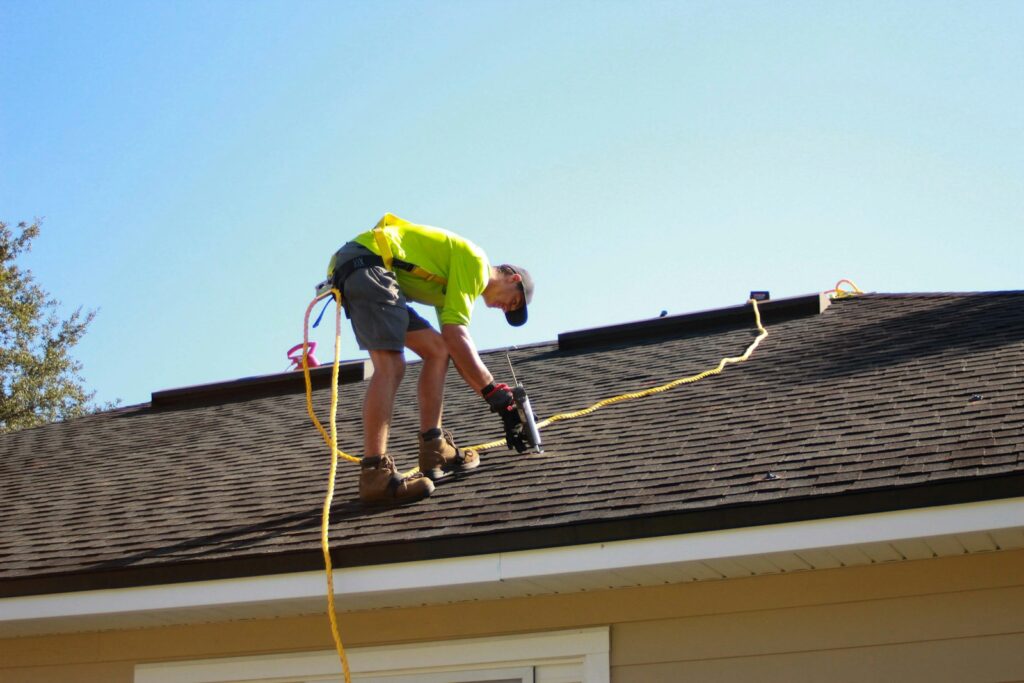
Why Local SEO Matters More for Roofers
The fundamentals of how local SEO works apply to any service business, but roofing has a problem most trades don’t: a wave of out-of-town “storm chasers” who show up in a market for a few weeks after a hailstorm, sell aggressively door-to-door, and disappear before workmanship issues surface. That reputation makes local trust signals carry more weight for a genuine local roofer than they do in almost any other home service. Category selection is another major ranking lever — see our GBP categories guide for roofers.
That distrust, plus how spiky roofing demand already is, changes what matters most on your profile and your site:
- Storm and hail events create sudden, massive search spikes for “roof repair near me” and “roof inspection” — often within days of a severe weather event, when being visible in the map pack matters most
- A local address, a track record of local reviews, and being licensed in the specific city you're working in are trust signals that directly counter the “storm chaser” reputation
- Reviews mentioning insurance claims, timelines, and clean job-site cleanup carry outsized weight because roofing projects are big-ticket and hard for homeowners to evaluate themselves
- Because roofing licensing in Colorado is set city-by-city rather than statewide, showing the right local credentials for the specific city you're targeting matters more than a single generic license number
None of this changes the underlying mechanics of local search, it just raises the stakes on trust. A roofing company with a thin, generic profile looks exactly like the storm chaser homeowners have been warned about — even when it isn’t one.
Google Business Profile Setup for Roofers
Most roofing companies are service-area businesses, not storefronts homeowners visit. That distinction changes several profile settings, and getting them right the first time avoids the kind of suspension or re-verification delay that can knock a company out of the map pack right when a storm just drove a surge of searches.
Service-Area Setup
List every city and ZIP code your crew actually works in rather than a broad radius, and hide your street address if you work from a shop or warehouse. Our guide to setting up your service areas correctly walks through the exact steps.
Storm & Seasonal Timing
Colorado’s hail season runs roughly April through September, with Denver-metro storms driving sudden surges in repair and inspection searches. Update your profile with storm-response posts and photos ahead of each season rather than scrambling after the fact.
Local Licensing & Certifications
Colorado has no single statewide roofing license — Denver and most home-rule cities require their own separate roofing contractor license and permits. List the specific cities you’re licensed in, and display any manufacturer certifications that back your workmanship warranty. See Colorado’s own breakdown of city-by-city roofing licensing for the specifics in your market.
Beyond those three, choose “Roofing contractor” as your primary category, and add secondary categories like gutter cleaning service or roof deck supplier only if you genuinely offer that work. Upload real photos of completed roofs and your crew on-site rather than stock images or manufacturer marketing photos — homeowners comparing bids specifically look for proof of real local work. For the full picture on how categories affect ranking, see our guide to Google Business Profile categories.
Storm Season Is When Trust Signals Matter Most
When a hailstorm rolls through the Denver metro, search volume for roofing companies spikes almost overnight — and so does the number of unfamiliar company names knocking on doors. Homeowners who’ve been burned by a storm chaser, or warned about them by a neighbor, actively look for signs that a company is actually local: a real local address, a phone number with a local area code, reviews going back years rather than weeks, and licensing specific to their city.
That means the local SEO work that matters most for roofers isn’t a single trick, it’s consistency: the same business name, address, and phone number everywhere (see our guide to local citations for roofing companies for why this gets flagged so often in this industry specifically), a review history that predates the last storm, and city-specific licensing displayed openly rather than a vague “licensed and insured” claim.
Review Timing for Roofing Companies
Reviews carry outsized weight for roofers because a roof replacement is one of the largest single purchases a homeowner makes on their house, and most people have no way to judge workmanship quality themselves until the roof fails or holds up years later. A strong review profile is often the only real signal a homeowner has to go on. Our Google reviews for roofers guide covers the insurance-timeline and storm-chaser-distrust angles that make review timing different for this trade specifically.
Ask After the Final Walkthrough, Not the Estimate
The best time to ask is the final walkthrough, once the homeowner has seen the finished roof and the crew has cleaned the site of nails and debris, not at the estimate stage or mid-project. If the job was paid through an insurance claim, waiting until the claim is fully closed avoids asking during a stressful, unresolved moment.
Respond to Timeline and Communication Complaints Directly
Roofing’s most common negative-review pattern isn’t workmanship, it’s communication: a delayed start date, a crew that didn’t show up when promised, or a customer left in the dark during a multi-week insurance process. Acknowledge the specific issue, explain what changed (weather delays, material backorders, and insurance adjuster scheduling are all common and legitimate), and invite a direct call rather than arguing the timeline in public.
What to Do This Week
If you only have a few hours to spend on this, start here. These are the changes that move the needle fastest for a roofing company’s local visibility.
- Confirm your Google Business Profile service areas match the cities and ZIP codes your crew actually works in
- Check that you hold a valid roofing license in every specific city you list as a service area, not just a general state registration
- Mark your profile as offering storm or emergency inspection service only if that is genuinely true
- Set up a final-walkthrough text template asking for a review once the job site is fully cleaned up
- Reply to your three most recent reviews, including any about timeline or communication, with a calm, specific response
- Confirm your primary category is “Roofing contractor” and that secondary categories match services you actually offer
This service-area setup and licensing consistency isn’t unique to roofing. Our guide to local SEO for electricians covers the same ground for another skilled trade that runs into similar urgent, trust-driven searches. And if you’d rather have this handled for you week to week, that’s exactly the kind of ongoing work a full local SEO campaign is built for.
Questions
Frequently Asked Questions
Does Colorado require a statewide roofing license?
No. Colorado doesn’t operate a single statewide roofing contractor license. Licensing is set city-by-city — Denver and most home-rule municipalities in the metro require their own separate roofing contractor license and permits, and a license in one city doesn’t automatically carry over to the next.
How do I compete with storm chasers who show up after a hailstorm?
Lean into what they can’t fake quickly: a review history that predates the storm, a real local address, and city-specific licensing displayed openly. Storm chasers are typically required to pull local permits and licenses too, but rarely have the years-long local review and citation history a genuine local company builds naturally.
How fast can a roofing company rank in the map pack?
It varies by market competitiveness and how complete the profile already is. A profile with the right category, accurate service areas, and a real, ongoing flow of reviews can see meaningful movement within a few months; a brand-new or thin profile in a competitive metro usually takes longer.
Should every roofing company use a service-area business profile?
Most should, since most roofers work at customer properties rather than a storefront customers visit. A company with a retail showroom or a walk-in office may fit a hybrid setup with a visible address better.
What's the biggest local SEO mistake roofing companies make?
Letting the profile go quiet between storms. A profile untouched for months loses freshness signals and gives a competitor who’s actively posting storm-response updates and fresh reviews an edge exactly when search volume spikes.
Want a Full Local SEO Campaign Built for Your Roofing Business?
From Google Business Profile management to review generation and citation cleanup, built around how homeowners actually vet a roofer after a storm. And if you would rather have this handled for you week to week, that is exactly the kind of ongoing work our Denver Roofing SEO service is built for.
Local SEO for Denver service businesses. We help HVAC, tree service, and home-service companies rank in the Map Pack and turn searches into booked jobs.
★★★★★
Trusted by Denver service businesses
Services
Company
© 2026 ReAlign Marketing. All rights reserved.